
Planning to build a carriage home in Kelowna? Then, understanding the permitting process is essential before you break ground.
Carriage home permitting involves navigating city regulations, zoning requirements, and building permits to ensure your project meets all legal standards. While the process might seem complex at first, knowing what to expect can save you time and prevent costly mistakes.
Let’s walk you through everything you need to know about obtaining a carriage home permit in Kelowna.
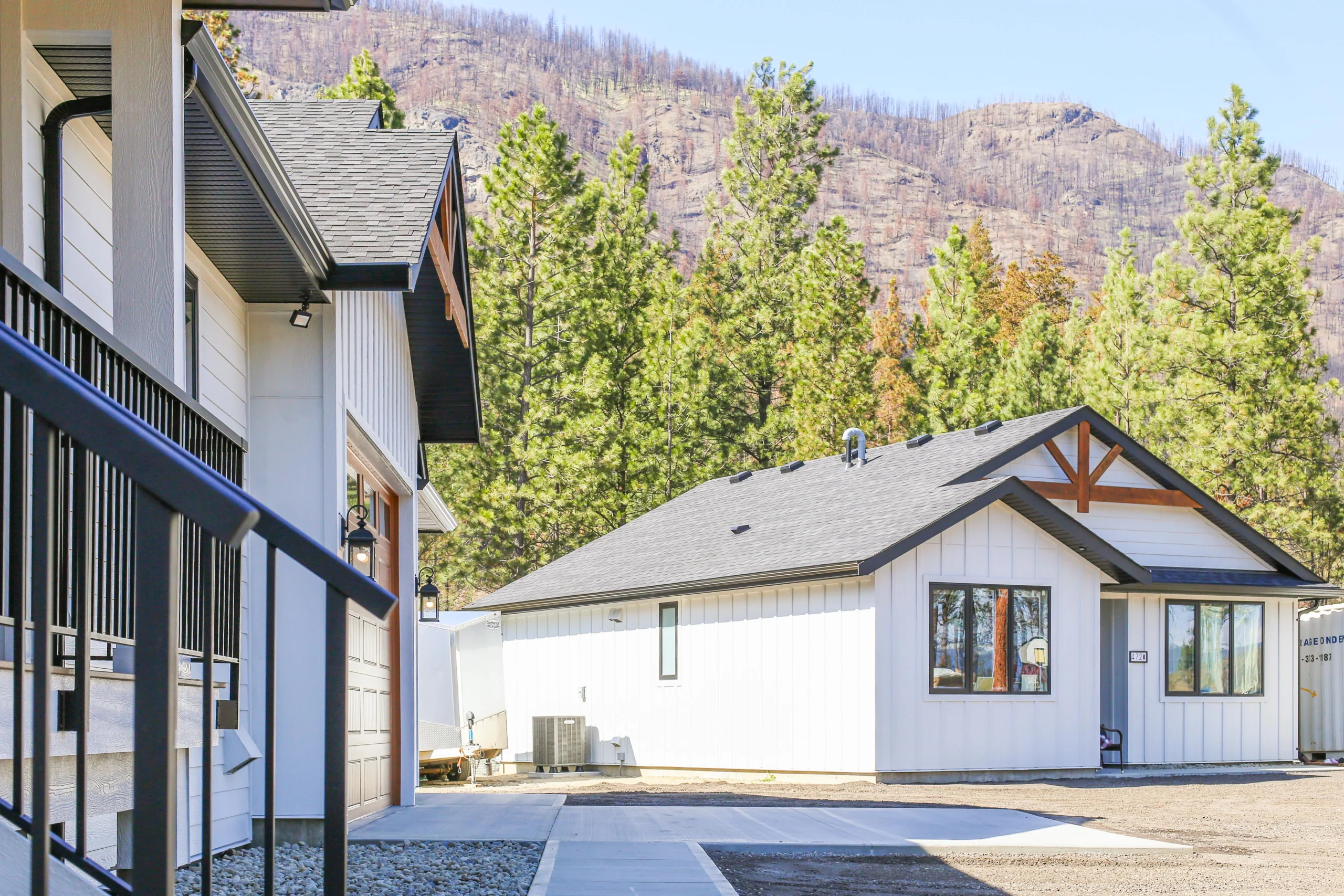
Carriage Homes in Kelowna
A carriage home is a self-contained secondary dwelling located on the same property as your main house. These structures are typically built above or beside a detached garage. They are completely independent from the primary residence.
Unlike secondary suites, which are built within or attached to your main home, carriage houses stand as separate buildings on your lot. This distinction is important when it comes to building permits and zoning regulations in Kelowna.
Key Benefits of Carriage Homes
Carriage homes offer several advantages for Kelowna homeowners:
- Rental Income Potential:
A well-designed carriage house can generate significant monthly rental income. With Kelowna’s strong rental market, many homeowners use this extra revenue to offset their mortgage payments or fund property improvements.
- Increased Property Value:
Adding a carriage home typically increases your property’s resale value. Buyers appreciate the flexibility of having a separate living space, whether for rental purposes or multigenerational living.
- Privacy for Everyone:
Because carriage homes are detached structures, both you and your tenants or family members enjoy greater privacy compared to secondary suites. There are no shared walls, separate entrances are standard, and outdoor spaces can be clearly defined.
- Multigenerational Living:
Many families build carriage homes to accommodate aging parents or adult children. The separate structure allows family members to maintain independence while staying close by.
- Flexibility:
Your carriage home can serve multiple purposes throughout its lifetime from a rental unit to a home office, guest house, or even a personal retreat space.
How Carriage Homes Differ From Secondary Suits
The main difference comes down to structure and separation.
Secondary suites are carved out of existing space within your primary home (think basement apartments or converted upper floors). They share at least one wall with the main house.
Carriage homes, on the other hand, require their own foundation and building permits as completely separate structures.
As a result, the permitting process for carriage houses involves more detailed home blueprints in Kelowna and stricter compliance with building and permit regulations.
Where are Carriage Homes Permitted?
Zoning Requirements
Carriage homes are permitted in most single-family residential zones throughout Kelowna.
However, your specific zone designation matters when applying for building permits. The most common zones that allow carriage homes include:
- RU1 (Large Lot Housing)
- RU6 (Two Dwelling Housing)
- RGL (Greater Lakeshore)
- RU7 (Urban Centre Apartment Housing)
Note: If you’re unsure about your property’s zoning, check the city’s zoning map. You can also contact the Planning Department for confirmation.
Minimum Lot Size
Your property must meet minimum lot size requirements to accommodate a carriage home.
Generally, you need a lot of at least 4,520 square feet (420 square meters). Some zones require larger lots depending on the specific regulations.
The lot size ensures adequate space for both your primary residence and the carriage home. It also accounts for setback requirements and parking needs.
Location on Your Property
Carriage homes must be positioned in specific areas of your lot:
- Typically located in the rear yard behind your main house
- Must meet setback requirements from property lines
- Cannot obstruct sight lines or create safety issues
Properties That Don’t Qualify
Some properties can’t accommodate carriage homes even with proper zoning:
- Lots that already have a secondary suite in the main house
- Properties in certain heritage or environmentally sensitive areas
- Lots that don’t meet minimum size requirements
Understanding these restrictions early helps you avoid wasting time and money on building permits that won’t be approved.
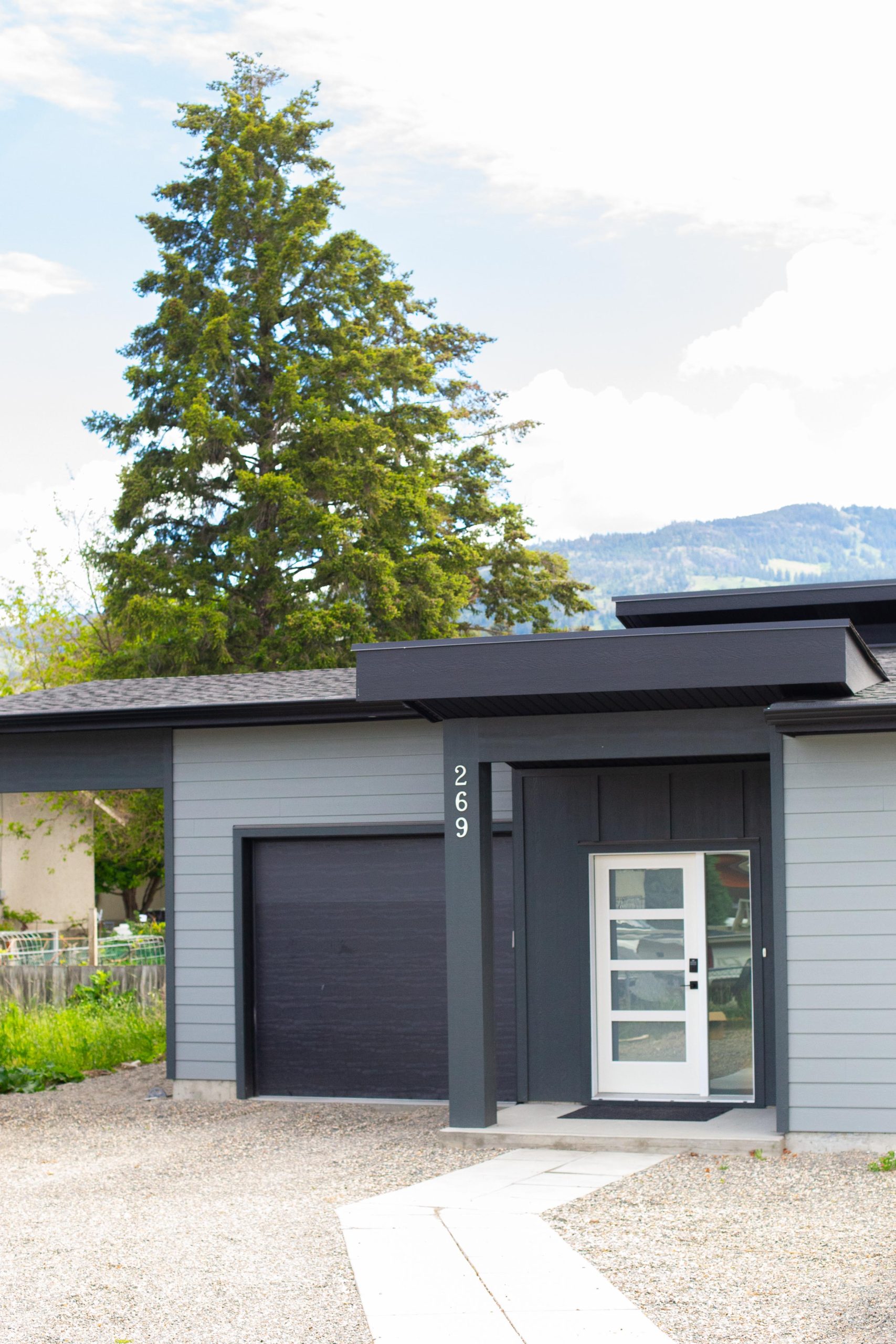
Carriage Home Sizes
One-Storey Carriage Homes
A one-storey carriage home can have a maximum floor area of 968 square feet (90 square meters).
The city encourages single-level designs because they offer excellent privacy. With no second-floor windows, neighboring properties aren’t overlooked.
This larger footprint allows for comfortable, accessible living spaces that include:
- Open-concept living areas with full kitchens and bathrooms
- Adequate bedroom space for long-term tenants or family members
- Better separation between the carriage home and the surrounding properties
One-and-a-Half-Storey Carriage Homes
If you choose a one-and-a-half-storey design, the maximum floor area drops to 797 square feet (74 square meters).
The reduced size compensates for the additional height. This maintains neighborhood character and reduces the visual impact on adjacent properties.
A one-and-a-half-storey layout typically features:
- Main living areas, kitchen, and bathroom on the ground floor
- A bedroom or loft space on the upper half-storey
- Sloped ceilings that create cozy, efficient use of vertical space
Height Restrictions
Carriage homes in Kelowna have specific height limits:
- One-storey structures: Maximum 16.4 feet (5 meters)
- One-and-a-half-storey structures: Maximum 19.7 feet (6 meters)
These measurements are taken from the average finished grade to the highest point of the roof.
Garage Requirements
Your carriage home must include garage space on the ground floor. The city requires this to maintain parking availability on your property.
In our experience, most homeowners incorporate a single or double garage. This creates the classic “carriage house” aesthetic while meeting city requirements.
Carriage Home Regulations in Kelowna
The City of Kelowna has established clear guidelines to make sure secondary dwellings integrate well into existing neighborhoods.
Setback Requirements
Setbacks determine how far your carriage home must be from property lines. These requirements protect privacy and maintain adequate spacing between structures.
Standard setback requirements include:
- Rear yard: Minimum 3 feet (0.9 meters) from the rear property line
- Side yard: Minimum 3 feet (0.9 meters) from side property lines
- Front setback: Carriage homes must be located behind the front building line of your main house
In our experience, working with these setbacks during the design phase prevents costly revisions to your home blueprints.
Parking Requirements
Your property must maintain adequate parking even after adding a carriage home. The city typically requires one additional parking space for the carriage home. This parking can be provided through:
- The garage space within the carriage home itself
- Additional driveway parking on your property
- Designated parking areas that meet city specifications
Remember: The ground floor of your carriage home must include garage space. This counts toward your parking requirements.
Design and Appearance Standards
Carriage homes should complement your main residence and fit the neighborhood character. The city encourages design consistency through several guidelines. Your carriage home should feature:
- Architectural elements that match or complement your primary home
- Similar roofing materials and colors
- Coordinated exterior finishes and siding
- Appropriate landscaping that integrates the structure into your property
These design considerations help maintain property values throughout the neighborhood.
Owner-Occupancy Requirements
The City of Kelowna requires owner-occupancy on properties with carriage homes. This means you must live in either the main house or the carriage home.
In other words, you can’t rent out both structures while living elsewhere. This regulation helps maintain neighborhood stability and ensures responsible property management.
Utility Connections
Your carriage home needs separate utility meters for water and electricity. Doing so allows independent billing for the secondary dwelling. However, both structures share the same property tax assessment. The added square footage will affect your overall property.
Building Code Compliance
All carriage homes must meet current BC Building Code requirements. It includes:
- Fire safety standards and separation requirements
- Structural integrity for foundations and framing
- Insulation and energy efficiency standards
- Plumbing and electrical code compliance
Tip: Working with the experienced builders at DeGroot Custom Homes guarantees your project meets these technical requirements from the start.

How To Apply for a Building Permit
Step 1: Confirm Your Eligibility
Before investing in design work, verify your property qualifies for a carriage home.
That means to check your zoning designation and lot size. Additionally, review setback requirements and ensure adequate space exists for the proposed structure.
Alternatively, you can use the city’s online tools or contact the Planning Department directly. Doing preliminary research saves time and prevents disappointment later.
Step 2: Develop Your Design and Home Blueprints
Work with a qualified designer or architect to create detailed home blueprints. Make sure your plans include the following:
- Site plan showing the location of both dwellings
- Floor plans for all levels of the carriage home
- Elevation drawings from all sides
- Foundation and structural details
- Electrical and plumbing layouts
Tip: Hire professionals familiar with Kelowna’s carriage home regulations. They understand local requirements and can design accordingly.
Step 3: Gather Required Documentation
The building permit application requires several supporting documents, and not just your blueprints. You also have to prepare the following materials:
- Completed building permit application form
- Property survey or legal plan
- Title search showing property ownership
- Proof of owner-occupancy commitment
- Energy efficiency compliance documentation (i.e., BC Energy Step Code)
- Registered professional’s seal on structural drawings
Note: Applications missing required documents face processing delays. So, double-check completeness before submission.
Step 4: Submit Your Application
Submit your complete application package to the City of Kelowna’s Building and Permitting Department. Application fees vary based on the construction value of your carriage home. Expect to pay several hundred to over a thousand dollars, depending on project size.
Step 5: Plan Review Process
Once submitted, the city staff reviews your application for compliance with building and permits regulations. The review typically takes 3-6 weeks for straightforward applications. Complex projects or those requiring variances may take longer.
Step 6: Address Any Deficiencies
If reviewers identify an issue, you’ll receive a deficiency letter outlining required changes. So, work with your designer to address these items. Then, submit revised drawings showing the corrections.
Step 7: Receive Your Permit
Once approved, you’ll receive your building permit. It includes approved stamped drawings, inspection schedule requirements, and a permit placard to display on site.
It’s important not to start construction before receiving your permit. Unpermitted work can result in stop-work orders and fines.
Step 8: Schedule Required Inspections
Throughout construction, mandatory inspections ensure code compliance. We recommend scheduling these inspections as work progresses. And remember, passing all inspections is required before occupancy.
With that, typical inspection points include:
- Foundation and footing inspection
- Framing and structural inspection
- Insulation and building envelope
- Plumbing rough-in
- Electrical rough-in
- Final occupancy inspection
DeGroot Carriage Homes
Ready to add a carriage home to your Kelowna property? DeGroot Custom Homes brings years of experience building quality carriage houses throughout the region.
Our team handles everything from initial design and home blueprints in Kelowna to navigating building permits and final construction. We understand local regulations and work directly with city officials to guarantee smooth approvals.
Contact us today to discuss your carriage home projects. Let’s turn your property’s potential into reality!