
Before moving to or building in Kelowna, you want to ensure all permits are in order first.
As in most cities and municipalities, Kelowna and West Kelowna both require house construction permits to ensure safety, compliance, and stable property value.
In this guide, we’re walking you through the legal rationale, requirements, and application process for a residential building permit in these parts of British Columbia. Here’s what every homeowner needs to know.

Kelowna Residential Permit Requirements
A building permit is required for most home construction and renovation projects in the City of Kelowna and West Kelowna. Homeowners are legally obligated to have it before construction begins, not after, to avoid legal issues.
Authorities do this to ensure all buildings comply with bylaws, zoning regulations, and building codes in Kelowna, BC.
Examples of projects that typically need residential permits include new home constructions, major structural renovations, garages, and decks exceeding a certain height.
Electrical and plumbing systems may also require approval, as may minor projects such as building a secondary suite or finishing a basement.
While specific requirements, zoning designations, and local bylaws can vary, the City of West Kelowna follows similar policies and legal rationale to that of Kelowna.
If you’re thinking of applying for a residential construction license in these municipalities in the Okanagan Valley, they usually require a comprehensive application package based on the scope of the project.
Preparing Application
Before sending your application and documentation, there are certain steps you can take to avoid delays and ensure smoother permit issuance.
For one, it’s important to check whether your property can accommodate the home or building you’re envisioning.
Like most cities and municipalities in BC, zoning regulations can affect what homeowners can and cannot construct. So, be sure to talk to your engineer or local authorities about the size, setbacks, parking requirements, and more.
As the owner, it may help to look up the City of Kelowna and West Kelowna’s existing zoning bylaws for your specific area yourself.
Check out the District of Lake Country’s GIS map for quick verification.
What Do You Need?
Here are some important documents the municipalities may want for new builds, additions, accessory structures, swimming pools, carriage homes, and demolitions:
- A completed building permit application form: This is the primary form you need to start the permit review process.
- Owner’s authorization form: This applies when a contractor, designer, or representative applies for the permit on behalf of the property owner.
- Current title search (30 days): A current title search confirms legal ownership and identifies outstanding liens, covenants, or restrictions set on the property in question.
- Scaled site drawings and plans: This must include an accurate site plan, complete with boundaries, setbacks, drainage, and grading. Floor plans, elevations, and cross-sections are required.
- Energy efficiency specifications: Demonstrates compliance with energy regulations and requirements (BC Step Code/Part 9.6).
- Roof truss and structural package: It must clearly show the design specifications, which include future loading, such as solar panels.
- Structural engineering documents (when applicable): Typically involves Schedule B and Schedule D letters, particularly for complex builds.
- Utility and site servicing information: If applicable, you may need a water letter from the water district or a septic system certification.
- Hazardous material survey: For structures built before 1990, BC authorities might require a hazardous material survey to protect workers from toxic substances.
- Homeowner Protection Office (HPO) documentation: An HPO ensures compliance with the Homeowner Protection Act in BC, and serves as proof of warranty insurance for new builds.
Alongside your completed form, you’ll need to pay an application fee for a residential building permit. This is non-refundable after submission, with West Kelowna having a minimum of $150 for the application.
The building permit fee is typically a certain percentage of the total construction value, which you’ll pay at issuance.
In both West Kelowna and the City of Kelowna, the standard residential building permit fee is 1.14% of the construction value, with a minimum of $100. Additional fees may also apply for inspections and processing.
Building without a permit can result in penalties of up to $1,000.
Application Submission (Online or City Hall)
The good news is that many municipalities, including Kelowna, now offer options for submitting an application package online or in person.
Due to their convenience, online submissions for a residential building permit application have become increasingly popular over the years.
Either the homeowner or the authorized representative can upload the necessary documents to the city’s online portal.
Through the same portal, applicants can track their building permit status and communicate with city staff without arranging an in-person visit to the municipal office.
An online medium can be helpful for those who live in remote areas or contractors managing tight construction timelines.
Visit the City of Kelowna’s dedicated building permitting portal online for more information and guidance.
Alternatively, property owners can still opt to submit their application to the city hall in person. West Kelowna primarily requires applicants to submit their forms and documents directly to its municipal offices.
While not as convenient, visiting may be more practical for inquiries or those who have faced issues with their application process.
Speaking directly with city staff may be more favourable for complex or unique builds.
After submission (online or in-person), an application package undergoes careful review. Building officials will evaluate and verify compliance with BC’s Building Code, zoning regulations, and other applicable conditions.
Expect to receive revision requests during the plan review process.
Common revisions include setback adjustments, truss layout updates, or incomplete documents. You’d want to respond to these requests promptly.
Issuance & Inspections
When all requirements are met, reviewed, and approved, the applicant owner or the authorized contractor will receive a permit package from the city hall. After which, the construction can start.
Depending on the municipality, permit packages may include a dedicated placard to post visibly on the construction site, along with copies of stamped, approved plans.
Notes for inspection schedules or other unique conditions to be met are sometimes included.
Construction must strictly follow the plans submitted to the city hall, which is why BC authorities arrange mandatory inspections for key stages of the build.
During these check-ins, city inspectors will check the structure’s foundations, pipes, framing, vapour barrier, and insulation systems (if applicable).
A final inspection is also scheduled to confirm that everything adheres to the approved plans and the property is safe for occupation. Without this final approval, the property can’t be legally occupied.
In Kelowna, an occupancy certificate will be given after the final inspection to affirm that the entire structure complies with all applicable laws and regulations.
It’s worth noting that all payments and fees must first be settled with the respective city offices before the permit is issued and inspections are scheduled.
The timeline between submission and approval can vary greatly from one city to another.
In the Kelowna area, permitting for single-family home projects can take 4 to 6 weeks or up to a year, depending on the size, complexity, and other relevant factors.
If rezoning is needed, this can significantly extend an application, with some taking 6 to 8 months to get approval.
Environmental Factors
Okanagan Valley’s stunning landscapes make for a wonderful backyard, but may add a few extra boxes to your checklist.
If you’re planning a new build or renovation, you want to find out any environmental or hazard approvals for your particular project.
For example, the city or municipality may need a qualified environmental professional’s report, in addition to a standard residential construction permit, for projects near Development Permit Areas.
Examples of these Development Permit Areas in BC are:
- Potentially hazardous sites like landslide risk, wildfire risk, and flood risk areas
- Environmentally sensitive areas (ESAs), such as near riparian and endangered species habitats
- Wetlands, marshes, and marine coastlines serving a crucial role for local aquatic life
The City of Kelowna mandates a geotechnical report for residential projects to confirm that the site is safe and stable enough for the structure. This is especially emphasized for lots situated on steep slopes and hills.
These environmental factors can drastically affect the site’s plan and grading. It’s not uncommon for homeowners to face challenges with building placement, setbacks, drainage, and erosion control.

How to Avoid Delays
Delays can be frustrating, especially when you’re just at the permitting stage. Fortunately, many of these snags are easily prevented with careful planning and preparation.
Double-check Your Documents
Missing or incorrect documents are some of the most common causes of permit delays. To avoid time-consuming back-and-forths, ensure that everything is in order before submitting your application package.
Both Kelowna and West Kelowna provide detailed checklists for all the necessary documentation, files, and information you need to apply for a permit for all types of buildings and structures.
Always keep a close track of your application. Responding to revisions promptly will keep your file moving smoothly.
Research and Communicate
Carrying out due diligence is key to speeding up permitting.
Building codes, zoning regulations, and applicable bylaws can vary greatly between cities. Going in blind can only lead to incomplete applications, time-consuming revisions, or complete rejection.
Don’t be afraid to communicate and ask questions. Find out and prepare additional information or documentation that the city staff may request.
Know Your Responsibilities
In some cases, scheduling an inspection may fall on the owner or representative. If that’s you, you’d want to book these check-ins in advance with the local building department.
Construction can’t proceed to the next stage without the city hall’s green light. As such, you’d want to organize your inspection schedules accordingly to avoid unnecessary delays and keep your project on track.
Violations can result in stop-work orders, derailing your timeline altogether.
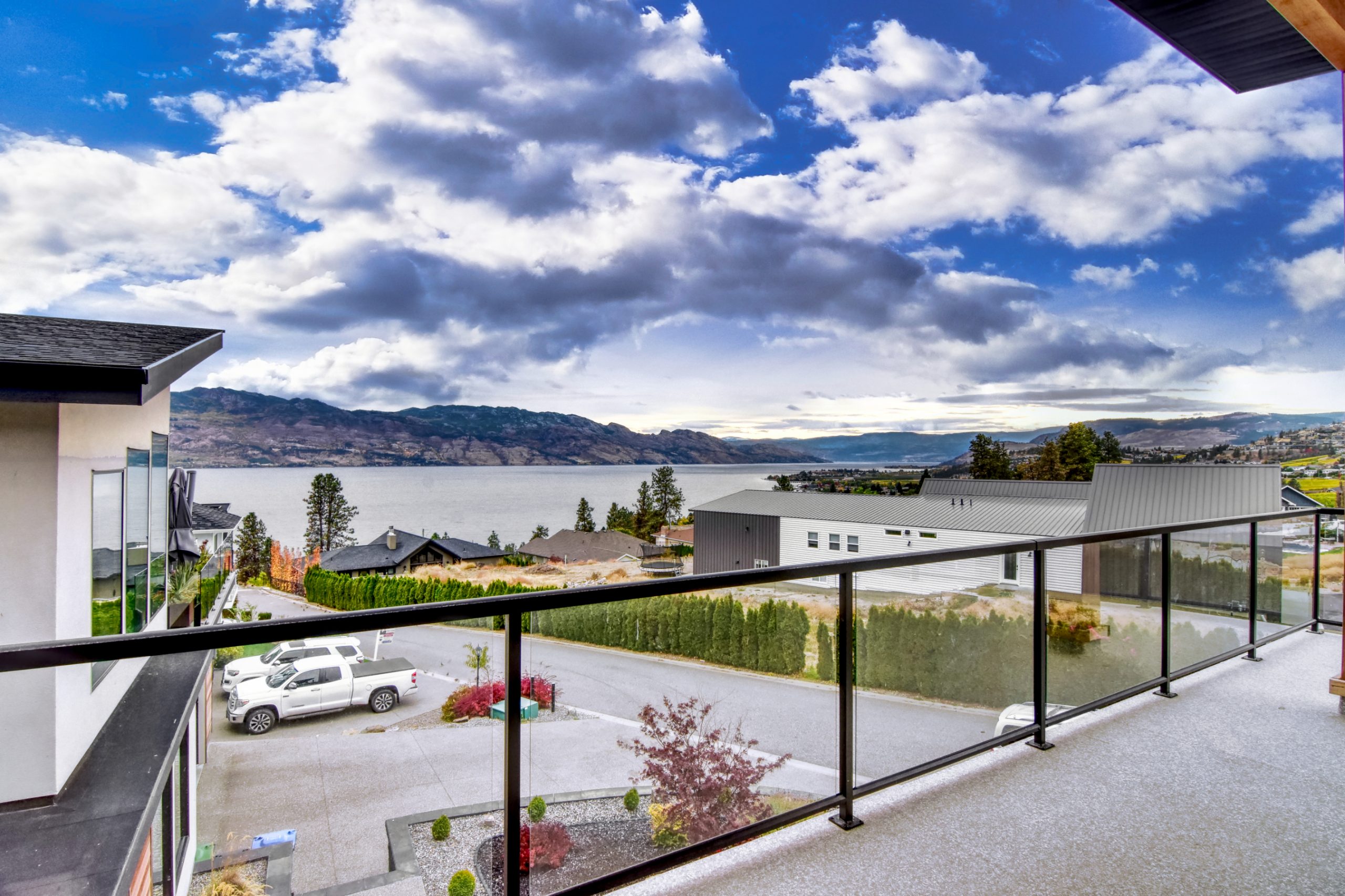
Residential Building in the Okanagan
From navigating complicated zoning bylaws to addressing environmental constraints, obtaining BC permits can be overwhelming for first-time homeowners.
If you’re worrying about this very issue, working with licensed professionals and residential addition contractors can significantly improve your planning and application.
Although it adds to the upfront costs of your project, professional guidance generally speeds up approval, reduces the likelihood of revisions, and helps homeowners avoid costly mistakes.
Working with a trusted and experienced builder can make a world of difference.
Degroot Custom Homes specializes in custom new builds, carriage dwellings, and renovations in the Okanagan Valley. We also bring valuable knowledge that would guarantee you get the dwelling you want and deserve.
Build your dream home with Degroot Custom Homes in Kelowna and West Kelowna today!